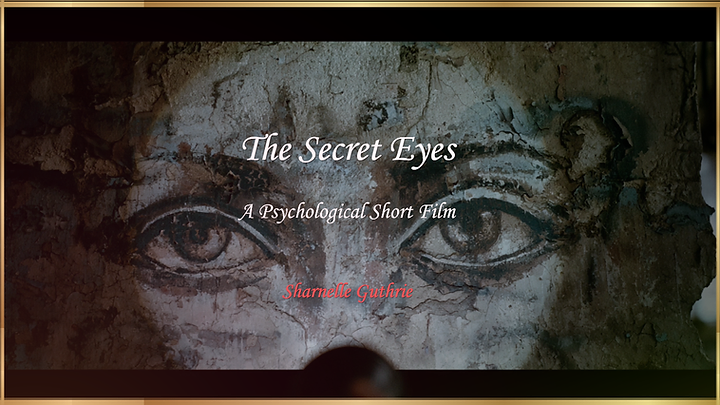
The Secret Eyes
Credits — Original Composition · Creative Direction · Visual Development · Editing · Environmental Sound Design
The Secret Eyes began as a response to a creative brief. I wanted to see how much story I could build inside a defined set of requirements: psychological tension, cinematic atmosphere, and an original score capable of carrying the narrative without relying heavily on dialogue. The result became a simple mystery. A detective finds himself inside an abandoned building. He's looking for something, but doesn't know what. The deeper he goes, the less certain it becomes whether he's investigating the building or being led through it. Just when he believes he's lost, he finds what he came for. The challenge was not simply creating something eerie. It was using image, sound, and music as one storytelling system, allowing each to reveal only enough to pull the viewer toward the next moment.
Still Frames

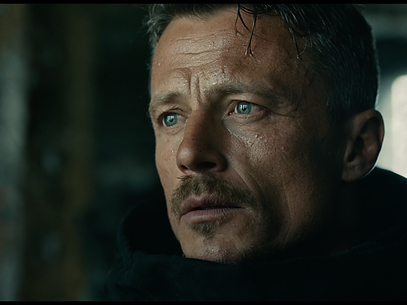

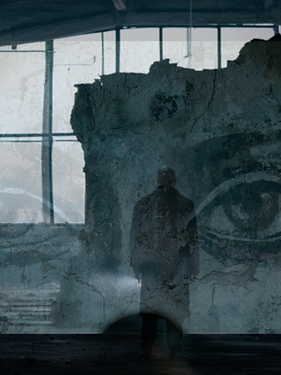
Stills — He Found It, But At What Cost?
Creative Decisions
Narrative Restraint
The mystery needed to remain unresolved long enough to create tension. The detective is given a goal without an explanation, allowing the audience to discover the building alongside him. Each clue answers one question while quietly creating another.
Psychological Space
The building functions as more than a location. Empty corridors, obscured sightlines, and isolated pools of light were used to make the environment feel watchful. The detective appears to be searching the space while the space seems to be studying him in return.
Scoring the Suspense
The score was designed around psychological movement rather than constant tension. Silence, restraint, and escalation create space for uncertainty before the music takes control. Sound and image were developed together so the score could shape how each discovery is interpreted rather than simply accompany it.