
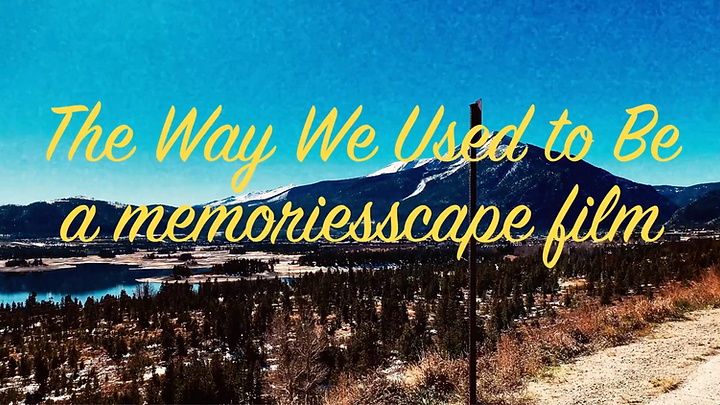
The Way We Used to Be (1995)
Credits — Original Composition · Creative Direction · Editing · Writing · Mixed Media · Sound Design
I started with a piece of beautiful road-trip footage and no real plan for what to do with it. I was making a lot of lo-fi and ambient work at the time, and there was a section of the track, around 6:23, that I kept returning to. As I watched the footage, I realized I was following the roads. And then I thought about how many people had taken these same roads before us. The trip stopped feeling like a single journey and started feeling like something people had been repeating for decades. I found older road-trip footage, then footage of Los Angeles from the same period. The road had somewhere to lead. And once I had followed it forward, the ending became obvious to me: if the road flows forward, it flows backward. So the final stretch of the film reverses the journey, moving through time until we arrive back at the modern-day footage where we began.
Still Frames

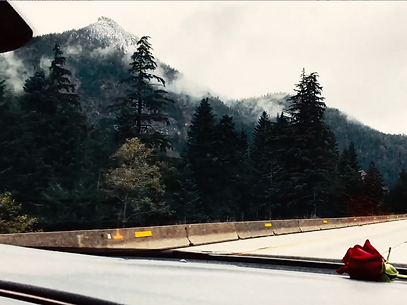

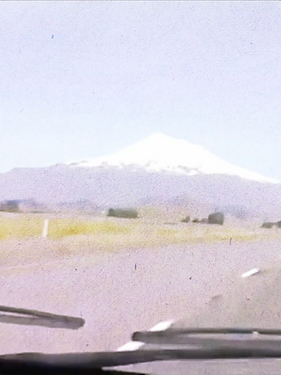
Stills — The Road and the Passing of Time
Creative Decisions
Following the Road
The road became the visual throughline. Rather than treating the footage as a collection of scenic images, I began following its movement and using that movement to connect different periods of time.
Extending the Journey
Once the contemporary road trip became a journey through time, archival footage allowed the same trip to feel as though it had been happening long before the people in the original footage arrived. Los Angeles became the destination, the place the road eventually led.
Reversing Time
The final five to six minutes reverse the journey. The decision came from a simple idea: if the road flows forward, it flows backward. Reversing the footage turned the structure into a return, carrying the film back through its own memory until it reaches the present again.